

The PSFA at CHS hosts “parent chats” as part of their monthly meeting. I was asked to prepare a presentation for the November parent chat on AI and academic integrity in my dual role as a programming teacher and Diversity Coach. The presentation was expanded to include a brief history of AI, district policy and procedure, and how to help students use AI wisely to ensure AI accuracy and identify inherent bias in AI. I thought I would share the contents of this presentation in this month’s blog post.
A Brief History of AI
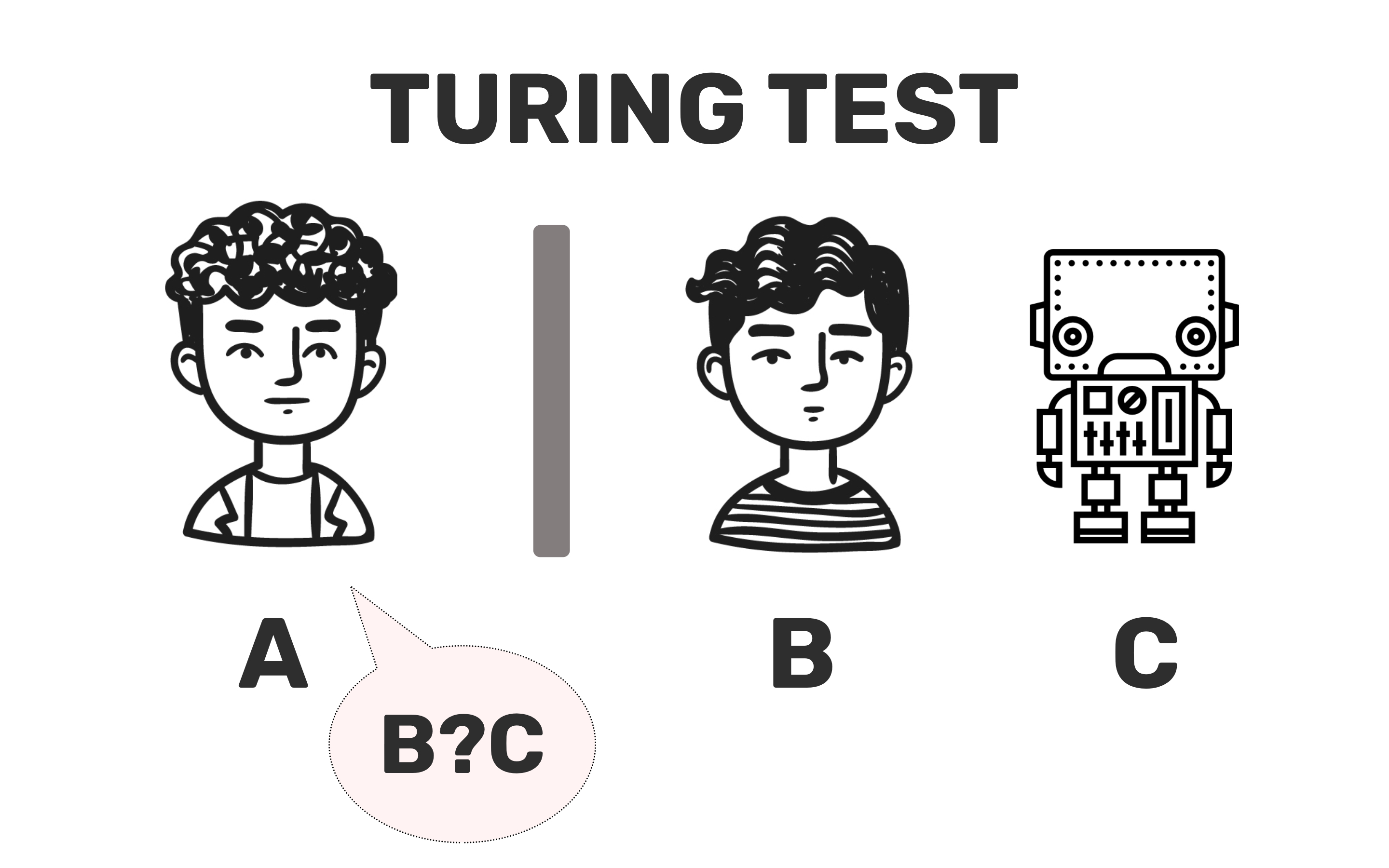
In the mid-20th century, Alan Turing theorized that in the future, humans would build machines with the intellect and reasoning capabilities of a human. In 1950, he created the Turning Test to determine whether or not responses to questions from a machine could be distinguished from those provided by a human. This test became the standard used to measure the effectiveness of future breakthroughs in AI.
John McCarthy, a professor at Stanford, coined the term “artificial intelligence” in 1955. He defined AI as “the science and engineering of making intelligent machines, especially intelligent computer programs“. McCarthy stated that AI will always be distinct from human intelligence. AI is free to employ techniques that aren’t observed in or tested on living things or require more computing power than humans can replicate organically.
More recently, the company Open AI was founded in 2015 “to ensure that artificial general intelligence benefits all of humanity“. Their first Generative Pre-Trained Transformer (GPT) was released in 2018 but it was not until June 2020 that a large language model known as GPT-3 was developed followed by GPT-3.5 (ChatGPT) in November 2022. ChatGPT converses realistically, answers follow-up questions, admits mistakes, challenges incorrect premises, and rejects inappropriate requests.
DALL-E 3, an AI image generation tool, was incorporated into ChatGPT in October of 2023. ChatGPT-4o (omni), the latest release as of May 2024, is free with a usage limit, and can generate and analyze text, images, and sound twice as fast at half the cost of earlier GPT platforms.
Student Use & Parent Involvement
Common Sense Media released a report in September about student use of AI, parents awareness of student use of AI, and school guidance in the use of AI.
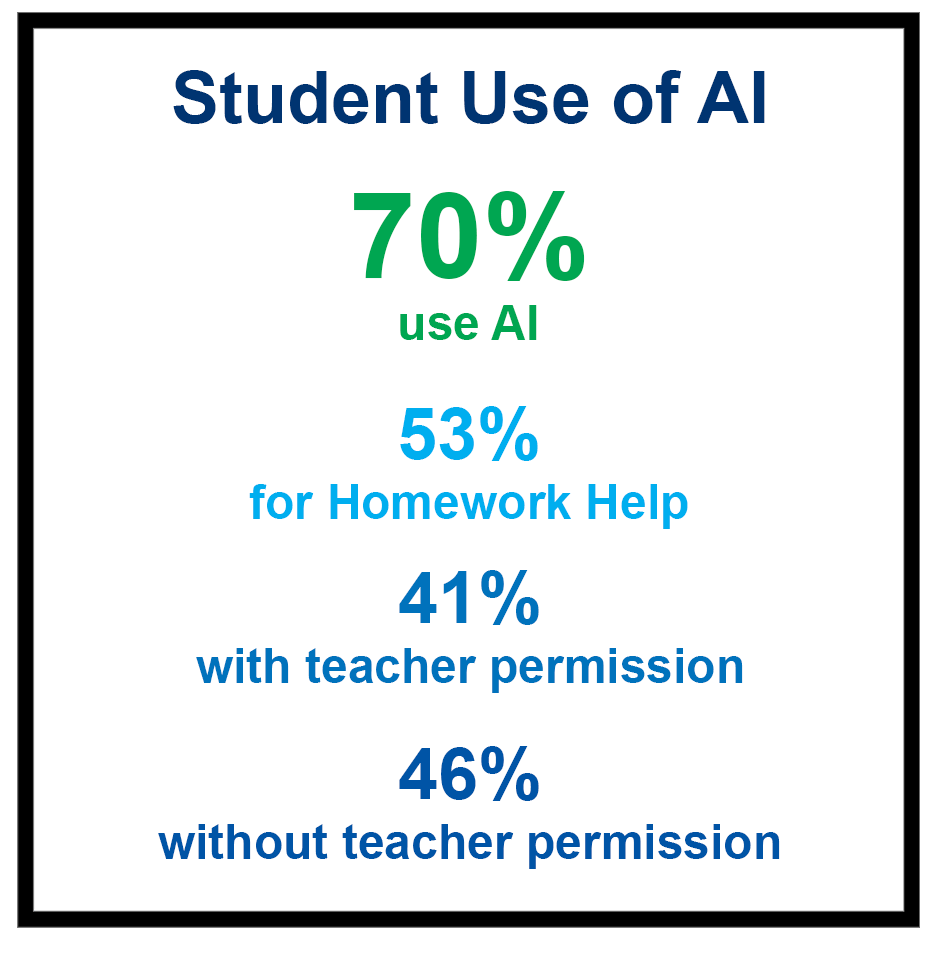
Parents are aware of AI and its general use, but 49% have yet to discuss AI use with their children.
District Policy & Appropriate Use of AI
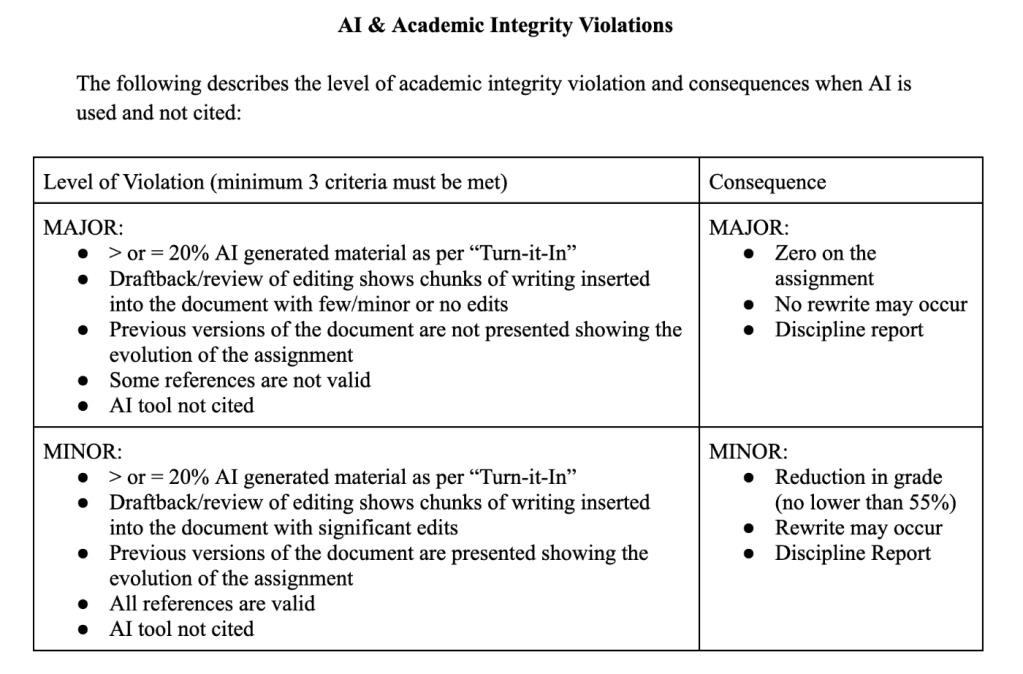
Students reported to Common Sense Media that 60% of schools do not provide guidance for AI use. MCVSD is in the process of developing a formal policy. In the interim, the following procedure was distributed to staff at the start of this school year:
MCVSD also allows teachers to set their own policy. For example, I do not permit the use of AI in my sophomore level required Python programming course. This is an 8-week introduction to programming that prepares students for the junior level Java course. The basic concepts taught in this class should be second nature to any student taking upper level programming course and do not require reference to any other entity or materials.
However, in my senior mobile computing course, I permit the use of AI in specific circumstances. For example, we used AI to outline basic barcode scanning functionality in Android Studio. This required the students to not only craft their request based on their understanding of what Android can do, but also evaluate and adapt the code provided to their specific project. This mirrors real world experience and as a CTE teacher, that’s important. However, we do discuss why this is an approved use of AI and other uses are not.

Accuracy
During my first summer at Rider University, my doctoral cohort discussed the use and accuracy of AI. We conducted an experiment to see just what ChatGPT could do by asking the platform to provide references for academic papers on a specific topic.
Prompt: Social constructivist grounded theory resources published in the last five years
The above prompt returned a number of sources. Below is an example:
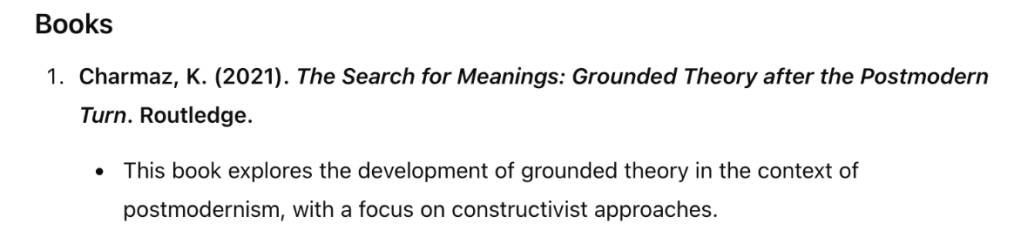
The format of this source appears in the correct APA 7th edition format, and the description appeared promising. However, when I tried to locate this reference, I discovered that it was a “mash-up” of a book by Clark and a journal article by Charmaz, neither of which were published in the last five years!
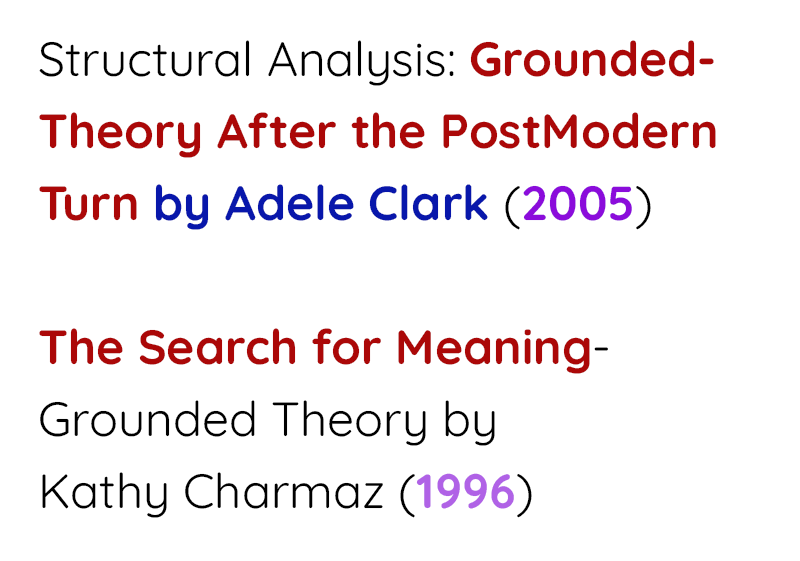
In the age of AI, educators need to educate students on not only the use of AI, but the process of evaluating the product it produced.
Bias
In my senior level mobile computing course, I teach an entire unit on bias in technology with a focus on AI. We start with the movie Coded Bias that documents the research and experience of Dr. Joy Buolamwini, computer scientist and poet. Her spoken word piece below is an excellent introduction into bias found in AI models.
The video below, produced by the National Institute of Standards and Technology, expands the exploration of inherent bias in humans beings reflected in the AI they build:
These two videos can be used in a variety of settings to introduce the issue of bias in AI platforms and promote discussion among students and staff regarding the examination and interpretation of the results from AI prompts through an equity lens.
How do you approach the use of AI professionally? With your students? Have you considered the role of inherent bias in AI product? Have you talked to your kids about the appropriate use of AI? Do you promote the exploration of inherent bias in the communities where you are a member or leader? Answering these question is imperative because they set the foundation for a future where AI serves everyone fairly, and where each of us takes responsibility for technology that empowers rather than divides.
In a world increasingly defined by data-driven decisions, understanding and confronting bias in AI is essential to building a more just and equitable society.

 mcvsddiversity.com
