
One of the aspects that set CTE apart from traditional classrooms is the focus on project based learning. This type of learning focuses on developing practical skills to address real world problems students will face in their future careers. Many professionals work on project teams, and group projects in the classroom are a great way to simulate this experience.
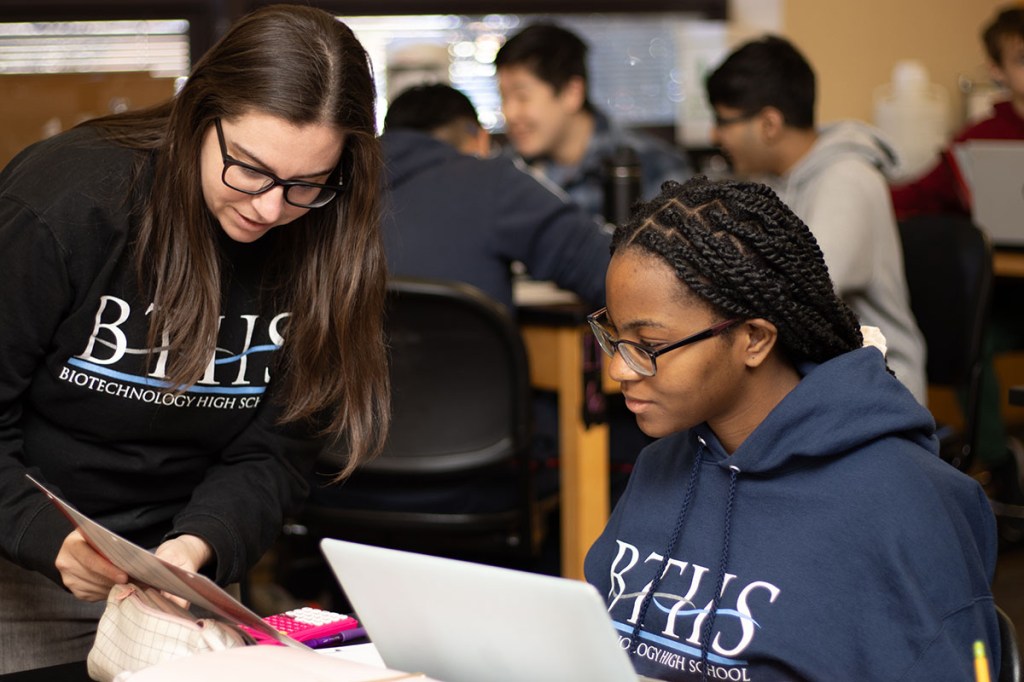
How can we approach group projects through an equity lens? I’ve outlined seven elements below that teachers can incorporate into any project to encourage diverse input and exemplary outcomes from their students.
Intentional Group Formation:
In this approach, teachers create groups based on prior experience with students that ensure members have diverse skill sets, backgrounds, and perspectives. For example: my seniors spend four months building a mobile application as part of the Congressional App Challenge each year. I create teams based on their prior performance and personal characteristics I’ve observed in the classroom. Sometimes group make-up is expected, in other instances it is not. One year, quite a few teachers and students were surprised at the make-up of a team; these were not students anyone witnessed working together before. Not only did this diverse group of students come together to develop an amazing app aimed at Alzheimer’s patients and their families, but they won the Congressional App Challenge for NJ District 4 that year!
Student Choice
Balanced with teacher selected groups is the ability for students to choose roles within the group that align with their strengths while encouraging them to step out of their comfort zones. This builds confidence and encourages equitable participation.

Clear Roles & Responsibilities
Depending upon the age and experience of your students, you may want to assign roles like facilitator, recorder, timekeeper, presenter, etc. to ensure balanced participation and accountability. These roles should be specific to the project: for example, each of my teams in the advanced course has a project manager, a java lead, and an XML lead. While they all may complete tasks that fall under each of the prescribed roles, only one individual is responsible and accountable for the work done in that capacity. This also makes assessment clear and valuable at the end of the project.
Clear Expectations
Creating group norms using tools like a Community Agreement will go a long way to creating safe, supportive, and productive project teams. Teachers should guide the group in developing norms that emphasize respect, active listening, and shared responsibility. At the core should be goals of ensuring that every team member has an opportunity to contribute and exploring all suggestions via discussion.
Observe Group Dynamics
Pay attention to how students interact within their group. Teachers should intervene if they notice exclusion, dominating behavior, or disengagement. However, one of the norms set at the start of the project may be for the teacher to refrain from addressing group dynamics unless expressly invited to do so. This has been the stance of my high school seniors and will serve them well in future educational and career settings. Younger students or students without the skillset necessary to come to consensus without teacher input may need more guidance from their instructors.
Group Reflection & Individual Accountability
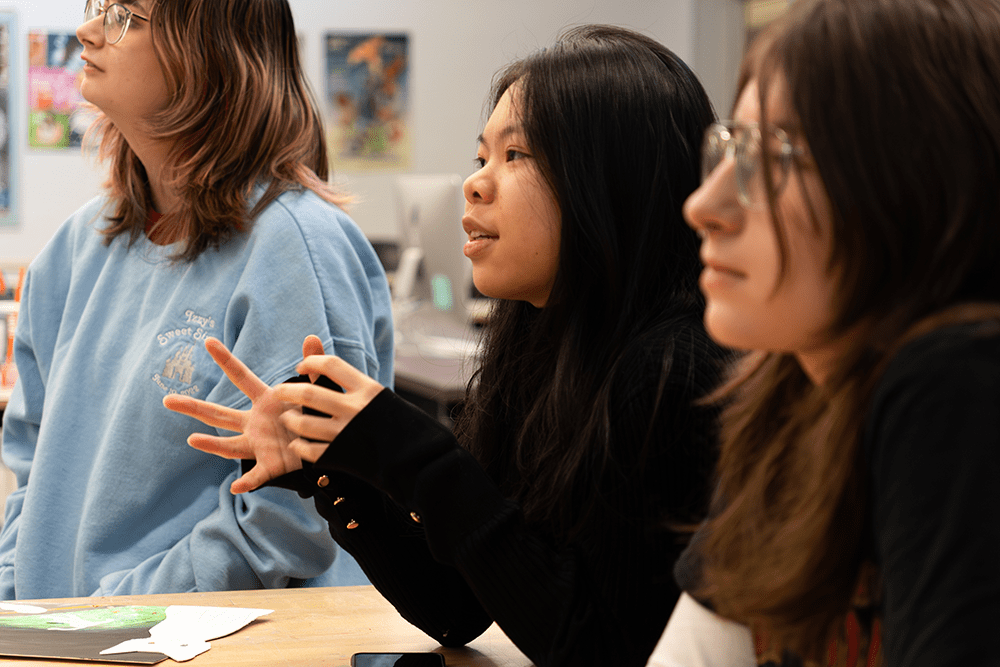
At the conclusion of the first stage of app development, I ask my seniors to rate their group experience. I ensure anonymity and stress that this is the time to share any issues the group or individual student may be having with the development process so that this can be addressed going forward. Students also complete self-assessments where they share their successes and struggles. I admit, they are often harder on themselves than I would be! However, this reflection and debrief serves as an equity pause where group members have a chance to step back, take responsibility for their contributions, and consider their growth in not only academic achievement but in their ability to collaborate with a diverse group of peers.
Assess Product & Process
Be sure to create rubrics that assess both the product and the process. At the conclusion of a project, my students often say they wish they could start again knowing what they now know. For many CTE projects, the process is more important because students learn skills they can apply in real world settings either in mentorship or apprentice programs. Assessing student growth and ability to work with a diverse group of students should be an integral part of any summative assessment of a collaborative, equitable group project.

Next time you prepare a group project for your students, reflect upon where equity falls within the tasks and experiences students will encounter. From intentional group curation to focusing on the path rather than the destination, you can ensure that the diverse set of students you work with each day have an equal impact on the project and take away skills that will serve them for a lifetime.

 mcvsddiversity.com